
What Is Reactivity?
Reactivity isn’t “bad behaviour” — it’s an emotional overflow.
It happens when a dog feels unsafe, overwhelmed, excited, frustrated, or unsure how to handle something in their environment.
This can look like barking, lunging, pulling, whining, freezing, biting, or picking fights.
None of it is about dominance or stubbornness — it’s your dog saying, “I can’t handle this.”
Reactivity can show up on walks, at the window, at the door, or when visitors are around.
And because your dog’s nervous system reacts faster than they can think, it can feel sudden, intense, and completely out of your control.
The good news?
Reactivity is highly responsive to the right support, calm routines, and training that teaches dogs how to feel safe, not just how to “behave.”
With the right support, calm becomes possible.
Not sure what your dog needs yet? Lets talk!
Types Of Reactivity?

Leash Reactivity
When the leash limits movement, pressure builds — and bursts as barking or lunging.
Dogs who are friendly off-leash may react strongly when they can’t choose how to approach, sniff, or move away.

People-Directed Reactivity
Unfamiliar people — in public or at home — trigger uncertainty, fear, or territorial instinct.
This may be broad (“any stranger”) or specific to appearance, movement, or context.
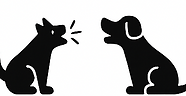
Dog-to-Dog Reactivity
Other dogs trigger big feelings — frustration, uncertainty, or protective instincts.
Some dogs are selective: calm with familiar friends but reactive to specific sizes, breeds, or play styles.

Barrier Reactivity
Windows, fences, and gates block your dog’s ability to explore or retreat, so frustration explodes at the trigger.
Because the trigger always leaves, the barking feels “successful,” reinforcing the cycle.

Resource-Based Reactivity
Your dog reacts when someone approaches their valued items or people.
This isn’t dominance — it’s emotional safety. Guarding behaviours are early communication, not misbehaviour.

Motion & Noise Reactivity
Fast movement or sudden sounds activate the chase or startle reflex.
Bikes, kids running, skateboards, vacuums, or storms can all spike arousal instantly.

Environmental & Context Reactivity
Sometimes it’s the environment itself — crowds, vet clinics, nighttime walks.
New or unpredictable settings raise arousal, lowering your dog’s threshold.

Reactivity Recovery
$1200
Duration: 8 weeks
For: Dogs who struggle with barking, guarding, or reactivity toward visitors, sounds, or movement within the home or yard.
This program is ideal for families who need professional support rebuilding calm and safety in predictable contexts where triggers can be recreated several times a week safely.
Your trainer handles the structured work during the week, ensuring your dog practices calm recovery and communication under threshold, while you learn how to maintain those results with confidence and clarity.
What’s included
-
1 × 60-minute Coaching session per week
You learn how to maintain progress at home, read your dog’s signals, and respond with confidence. -
3 On-Demand troubleshooting sessions
Available after the program ends (usable within 2 months) for real-life questions. -
Weekly written or video recaps
Clear feedback, progress tracking, and next steps so nothing gets missed.
How we start
Every program begins with a Behaviour Assessment. This allows me to assess your dog,understand your goals and to tailor the right plan for your household.